South Jakarta Health Sub-agency Optimizes TB Tracing and Handling
Reported by Tiyo Surya Sakti | Translated by Rizky Mawardi
The South Jakarta Health Sub-agency continues to optimize tracing of residents with Tuberculosis (TB) for fast and appropriate treatment.
Transmission can be prevented
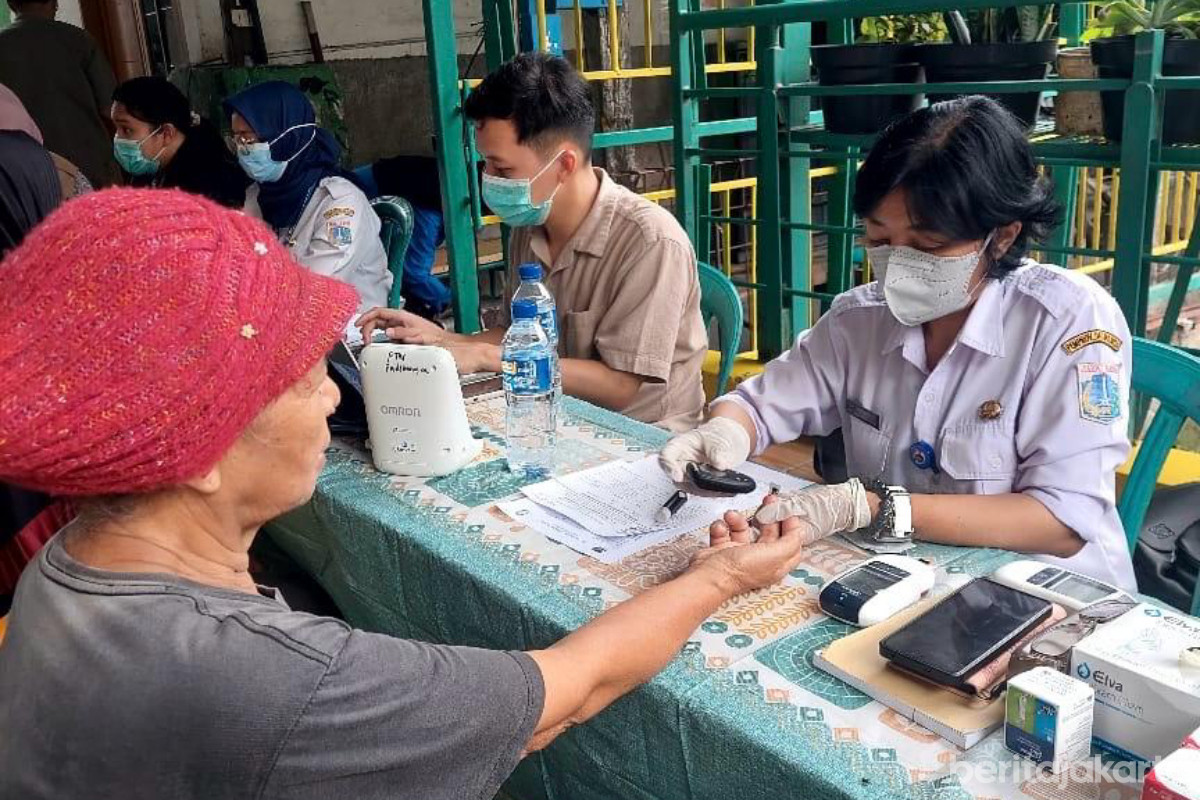
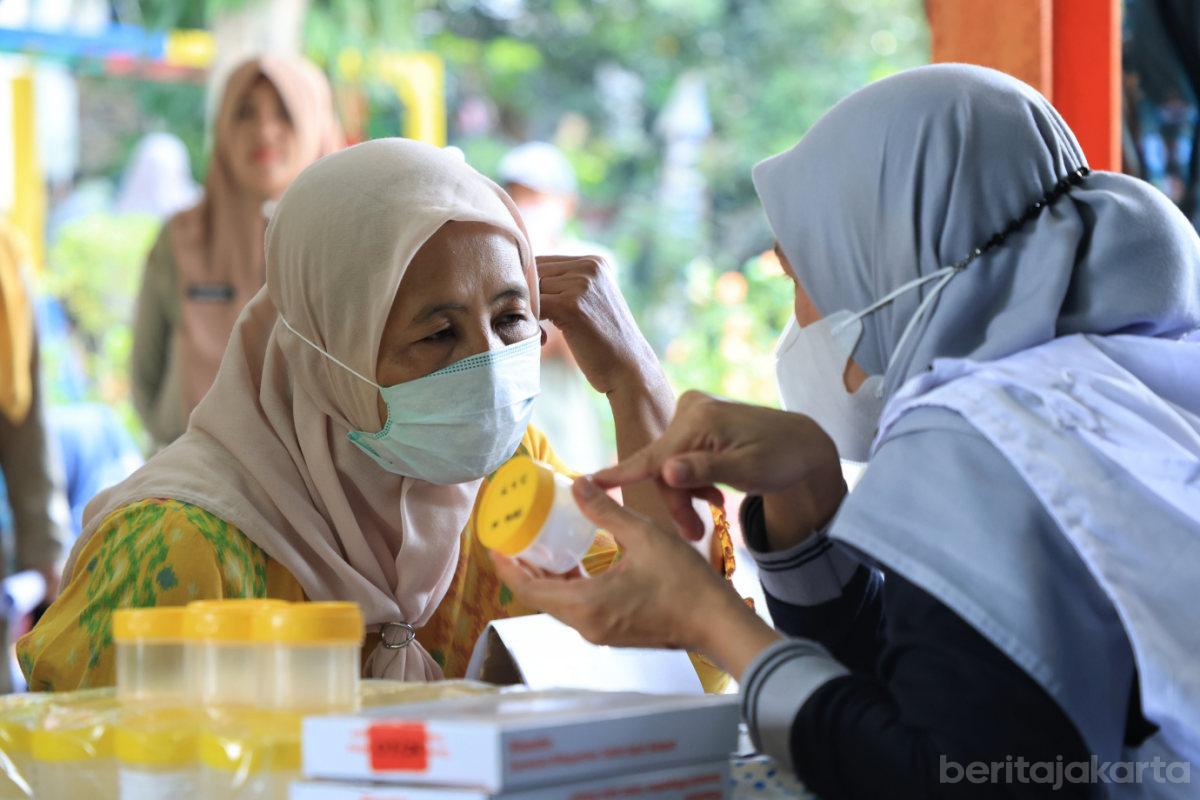
Head of the Disease Prevention and Control (P2P) Section of the South Jakarta Health Sub-agency, Fitria Ramdhita, said that based on data collection results from January to early October 2026, 8,406 TB cases were recorded.
CKG Services in East Jakarta Integrated with TB Screening"This number was obtained through health outreach and screening activities in 631 focus locations," she said, Friday (10/16).
Fitria explained that the potential for new case detection is estimated to reach 13,000 by the end of the year. This high number of discoveries is actually a positive factor, allowing for earlier medical intervention.
"I urge people who experience TB symptoms to immediately check themselves at a health care facility to get the right treatment," she appealed.
According to him, TB symptoms generally include coughing for more than two weeks, prolonged fever, night sweats, and weight loss.
The public is also urged to undergo TB screening immediately, especially those who have had close contact with TB patients. Early screening is necessary to detect the disease, expedite treatment, and prevent transmission.
"See a healthcare facility immediately and get screened for TB, especially if you have had close contact with a TB patient. TB is curable and its transmission can be prevented," she added.
She explained that the sub-agency also faces challenges in the form of stigma against TB patients. Some people and patients still fear being shunned after being diagnosed with the disease.
"We continue to socialize this with health workers, RT/RW heads, and Dasawisma cadres," she explained.
Fitria added that patient compliance with treatment and the implementation of preventive measures are crucial for TB control. Patients should take their medication as recommended by healthcare professionals and undergo regular medical evaluations.
"There's no need to wait six months to be completely infective. Furthermore, wearing a mask and practicing proper cough etiquette are very effective in preventing transmission. We must all eradicate this stigma," she emphasized.